
Estimated Bills: The Meter Reading Campaign That Empties Your Billing Queue
Suppliers wrote off more than 172 million pounds in charges under backbilling protections, for almost a million customers. Estimated bills are where a lot of that starts. Here is the meter reading campaign pack, the six windows, the script and the five numbers to watch.
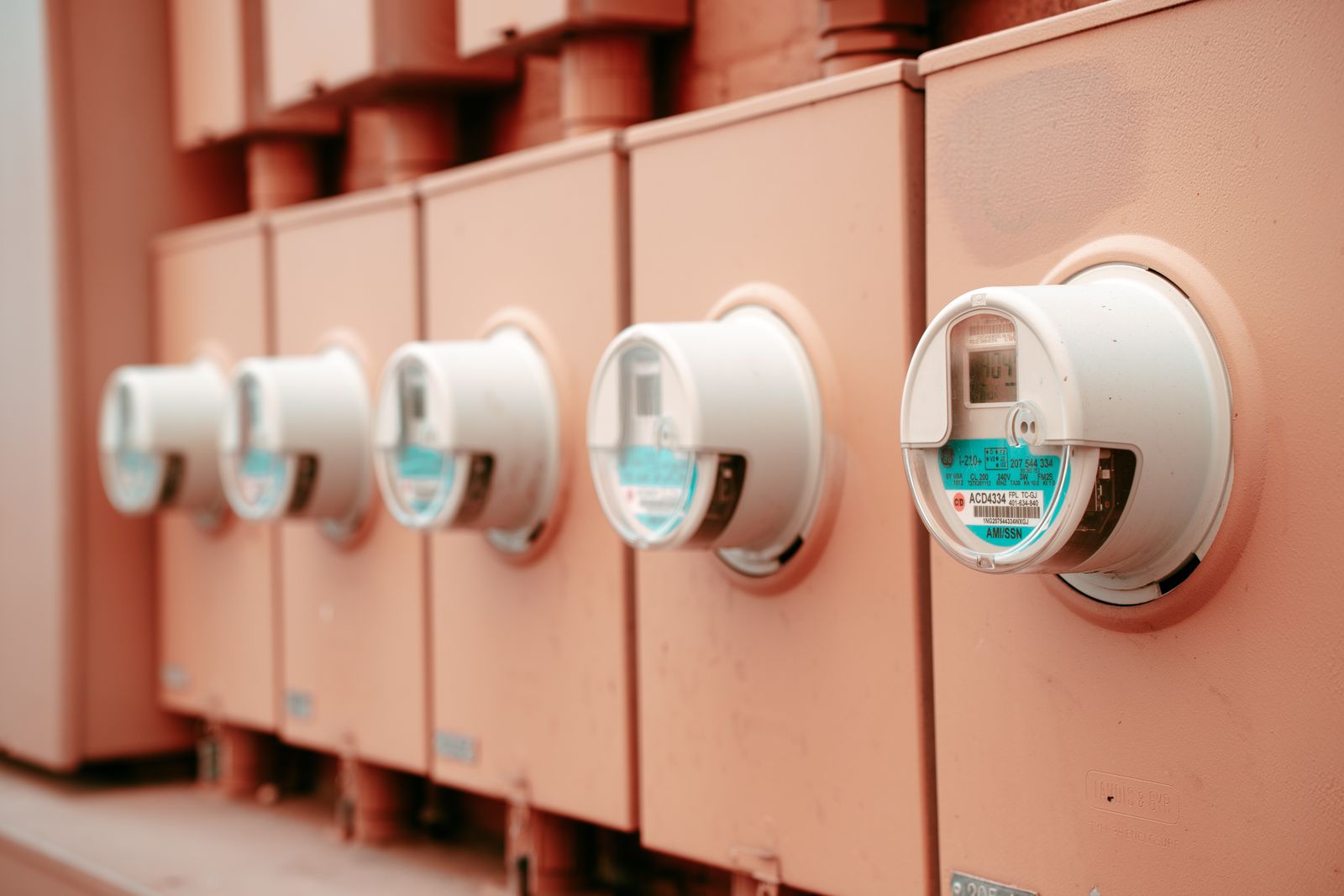
Suppliers wrote off more than 172 million pounds in charges under backbilling protections, covering almost a million customers. Ofgem does not break that figure down by cause. Anyone who has worked a billing exceptions queue can guess at a large slice of it.
Estimated bills are invoices issued on forecast consumption instead of an actual meter reading. They generate inbound calls, disputed balances, catch up bills and complaints you pay for twice. You cut them by getting a real read into the billing run on time, through a short outbound campaign built around your own read windows.
The same Ofgem assessment put 81 percent of first bills on an actual meter reading, rising to 89 percent after reconciliation.
Read that the other way. Close to one in five first bills goes out on an estimate.
Germany tells the story from a different angle. The federal regulator's consumer service for energy logged around 57 thousand enquiries and complaints in a single year, with billing and supply contracts the biggest theme.
Why an estimated bill hits your queue twice
One estimate is rarely one call. It is two, sometimes three, spread across months.
Call one arrives when the estimated bill looks wrong. Call two arrives when the corrected catch up bill lands after a real read. Call three is the complaint.
Collections then inherits a balance the customer never agreed with. A disputed balance will not convert into a kept promise to pay, however good your collector is.
Pull this now. Take last month's billing run and split the inbound calls in the fourteen days after it by whether the account was billed on an actual read or an estimate. If your ACD and your billing system cannot be joined up to answer that, fix it first.
Six windows where a meter reading is cheap to get
Reads are cheapest when the customer is already thinking about the account. Six windows, roughly in order of how easy they are.
- Twenty to twenty five days before the billing run. The customer has no reason to care yet, which is exactly why a short friendly ask works.
- Change of tenancy and moving house. Both parties want the reading on record, so nobody argues.
- After a tariff or instalment change. They are already looking at consumption, so the ask makes sense to them.
- The first cold week. Usage is on their mind and a reading protects them from a catch up bill later.
- Any inbound call about anything else. If they are already on the line, ask. Cheapest read you will ever collect.
- Day 5 and Day 15 arrears reminders. An estimate sitting behind an arrears balance is the fastest way to lose a promise to pay.
Five of those six are fixed path work. Same question, same validation, same field.
The outbound meter reading campaign, start to finish
Six steps, one billing cycle. Run it on one segment before you run it on the book.
- Pick the segment. Accounts billed on an estimate for two consecutive cycles, excluding meters that already report automatically, prepayment, and anything carrying a vulnerability flag.
- Set the window. Open twenty five days before the billing run and close five days before it, so late readings never arrive after the invoice.
- Write one ask and one fallback. The ask is the reading on the call. The fallback is a photo of the dial by SMS or link, for people who cannot get to the meter while talking.
- Validate on the call. Repeat the digits back, compare against the previous read, and flag anything outside a plausible range instead of accepting it.
- Write it back the same day. The reading has to be in the billing system before the run, not in a spreadsheet somebody imports on Friday.
- Chase the misses once, in the last week of the window, at a different time of day than the first attempt.
A reading that arrives after the invoice prevents nothing. It just becomes next month's credit note.
One segment, one cycle, one headline number: estimate rate at first issue, before and after.
The script that actually gets the number
Steal these. Have your compliance team mark them up before anyone says them on a live call.
The opener. Good morning, this is [supplier] about the electricity account at [address]. Your last two bills went out on an estimate. If you can read the meter now, I will put the real number on the bill going out on the [date].
The why, if they ask. An estimate can run high or low. Either way the correction catches up with you later. A reading today means the bill matches what you actually used.
The capture. Read me the digits before the decimal point, left to right, and ignore any red numbers.
The validation. I have [digits]. That is [n] kilowatt hours since your last reading on [date]. Does that sound about right for your household?
The fallback. No problem. I will send you a link now. Take a photo of the dial, send it back before [date], and the bill will use that reading.
The close. Done. The reading is on the account and your next bill will use it. Nothing else for you to do.
Notice what is missing. No apology, no three sentence preamble. The ask is the first thing out of your mouth.
An illustrative December: 12,000 accounts and one cold week
An illustrative example, not a customer.
A mid market gas and power retailer in Lower Austria. Twelve thousand domestic accounts, a 14 seat service team, billing run on the eighth of the month.
Through autumn the estimate rate at first issue sits around a fifth of the book. Nobody treats it as urgent, because the bills still go out on time.
Then the first cold week lands. Consumption jumps, readings finally come in, and the December run corrects months of under estimation on several hundred accounts at once.
Inbound doubles for nine working days. Two collectors get pulled onto phones. The arrears cadence stops for a fortnight.
Nobody made a bad decision. The readings were missing in September and the queue paid for it in December.
Estimated bills do not hurt in the month they are issued. They hurt in the month they are corrected.
Where a voice AI worker fits in a reading campaign
Split the work into fixed path and judgement.
Fixed path. The outbound reading request, the digit capture, the validation question, the follow up SMS, the second attempt. High volume, strict wording, no discretion needed.
Judgement. Disputed catch up bills, hardship, bereavement, anything with a vulnerability flag. Those stay with your agents, who now have the hours back.
AutoNurture.AI runs outbound cadences and answers inbound without a phone tree in 12 plus languages, which matters when the same reading campaign has to run in Portuguese, German and Italian.
You can hear the tone on a recorded German service call where the assistant walks a customer through a 3,200 kilowatt hour reading and the instalment change behind it.
Every call writes back to your system, and the utilities connector list covers SAP IS-U, powercloud, Schleupen.CS, Oracle Utilities CC&B and Salesforce Energy and Utilities Cloud. Check yours before you set dates, because the plumbing decides the timeline.
Dial windows per market, retry logic and do not call rules run from the same workbench that A/B tests the opener, so you can find the phrasing that gets the digits without rebuilding the campaign.
When a call turns into a dispute it moves to a human seat with the transcript and the account already on screen.
The utilities and energy playbook walks the service and collections workflow end to end.
The consent and data checklist
Short and practical. Walk it once and get it signed off before the campaign, not during it.
- Write down your legal basis for the outbound reading request and for recording the call.
- Keep the recording notice and the AI disclosure as two separate sentences.
- Store a meter photo arriving by SMS or link under the same retention rule as the call.
- Read do not call and vulnerability flags from the source system before the dial, not after.
- Set retention on recordings and transcripts and be able to evidence the deletion job.
- Confirm where audio and transcripts are processed, not only where they are stored.
Your obligations depend on your market and your regulator. Check with your compliance team before you change anything customer facing.
Five numbers that tell you the campaign worked
All five come out of systems you already have. Pull them weekly while the campaign runs.
- Estimate rate at first issue in the segment. The headline number.
- Read capture rate per attempt. Readings collected divided by accounts dialled, split by first and second attempt.
- Share of readings landing inside the window. A reading collected after the cut off counts as a miss.
- Billing related inbound per thousand accounts billed, in the fourteen days after the run.
- Back billed value written off in the segment. Slow to move, and the one finance cares about.
Ofgem's back billing rules mean a household does not have to pay for energy used more than twelve months ago where it was never accurately billed before.
Every month an account stays on estimates narrows the window you can still bill in.
What to do next
Pull your estimate rate at first issue for last month's run. Then pull billing calls for the fourteen days that followed. Put the two numbers side by side.
Then book a demo and bring that segment with you. Twenty minutes, a live call in your language, and you can hear the reading request and the validation question on the same call.
Frequently asked questions
What is an estimated bill?
An estimated bill is an invoice calculated from forecast consumption rather than an actual meter reading, usually because no reading was available before the billing run. It gets corrected when a real reading arrives, which is where catch up bills and disputes come from.
How many utility bills are based on estimates?
Ofgem's domestic billing performance assessment found 81 percent of bills were based on actual meter readings at first issue, rising to 89 percent after reconciliation. That leaves close to one in five first bills issued on an estimate.
Why do estimated bills increase contact centre volume?
Each estimate can create two or three contacts. One when the estimated bill looks wrong, one when the corrected catch up bill arrives, and sometimes a complaint. The second wave lands weeks or months later, which is why monthly reporting hides it.
When should you ask a customer for a meter reading?
Open the window around twenty five days before the billing run and close it five days before, so readings land in time to be used. Change of tenancy, instalment changes and any inbound call are also cheap moments to ask.
What are back billing rules?
Ofgem's back billing rules mean a household or microbusiness does not have to pay for energy used more than twelve months ago if they were not accurately billed for it before. Rules differ by market, so check your own with your compliance team.
Can an AI voice agent collect meter readings?
Yes, for the fixed path version of the task. Requesting the reading, capturing the digits, repeating them back, flagging implausible numbers and sending a photo link are all scripted steps. Disputes and hardship conversations go to a human.
How do you measure a meter reading campaign?
Track estimate rate at first issue, read capture rate per attempt, share of readings landing inside the window, billing related inbound per thousand accounts billed, and back billed value written off in the segment.